

Kenya has been drawn into the widening economic fallout from escalating US-Iran tensions, with growing concerns that disruptions at the strategic Strait of Hormuz could trigger significant fuel price increases across East Africa. The Iranian Embassy in Nairobi has sought to calm fears, dismissing claims that the standoff will lead to major cost-of-living spikes in Kenya.
The geopolitical conflict has placed the global economy under mounting strain, with nations across the developing world voicing urgency for a diplomatic resolution. For Kenya, which imports a substantial share of its petroleum products from Gulf nations, any disruption to Hormuz shipping lanes would carry immediate consequences for fuel costs and downstream economic activity.
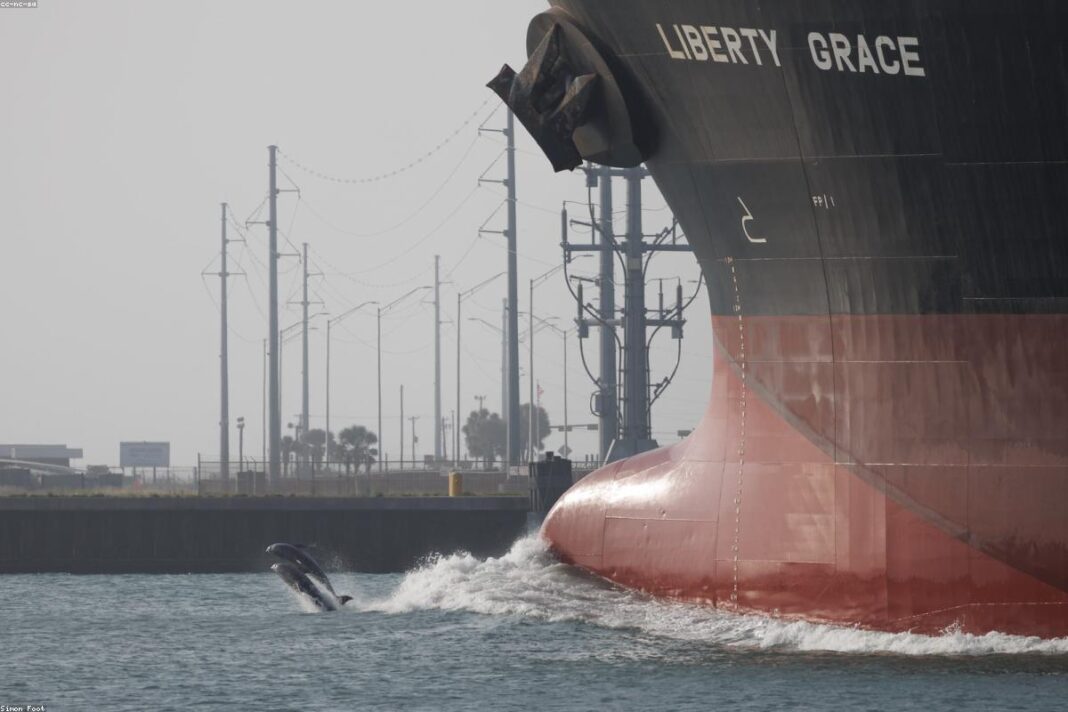
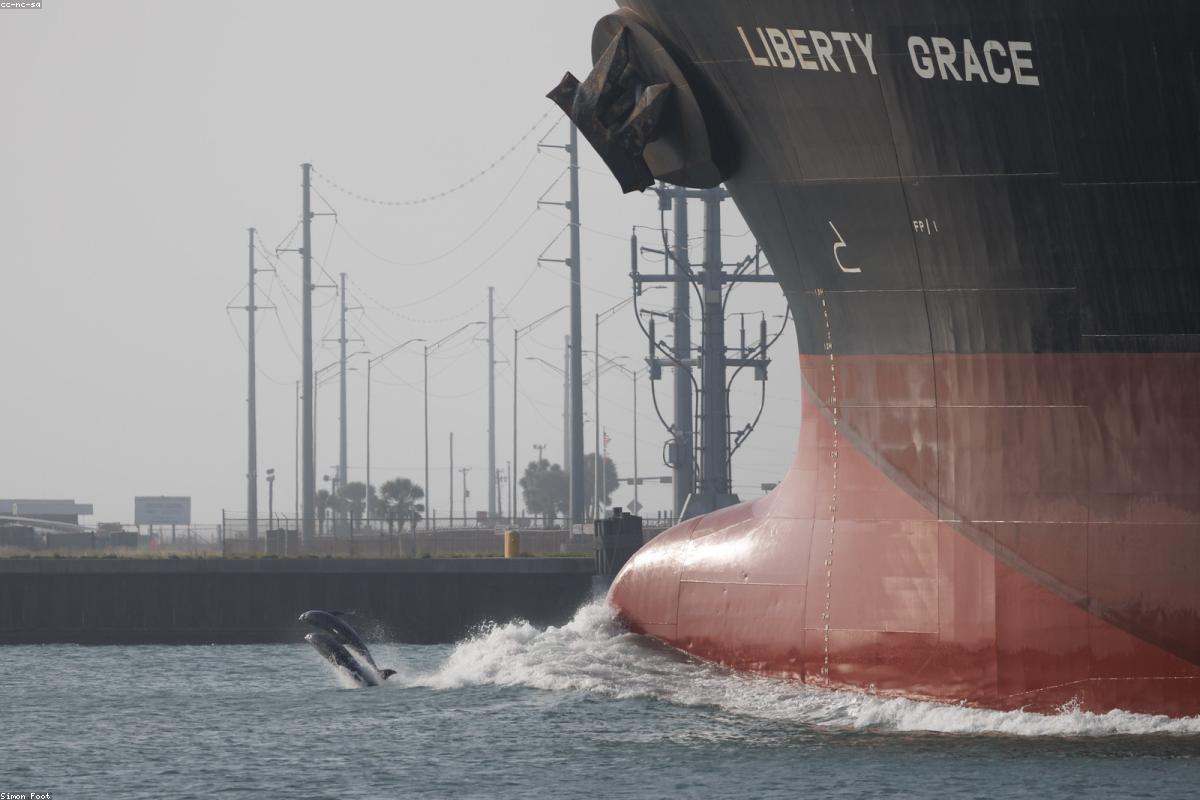
The Strait of Hormuz, situated between Iran and Oman, remains one of the world’s most critical oil chokepoints. Approximately 20 percent of global oil supply transits this narrow waterway daily, and any military escalation or blockade would send shockwaves through international energy markets far beyond the Middle East.
Kenya’s Energy and Petroleum Regulatory Authority has been monitoring the situation closely, with officials confirming that contingency plans exist to address potential supply disruptions. The country maintains strategic petroleum reserves, although energy sector analysts question whether current stockpiles would be sufficient to buffer a prolonged supply crisis.
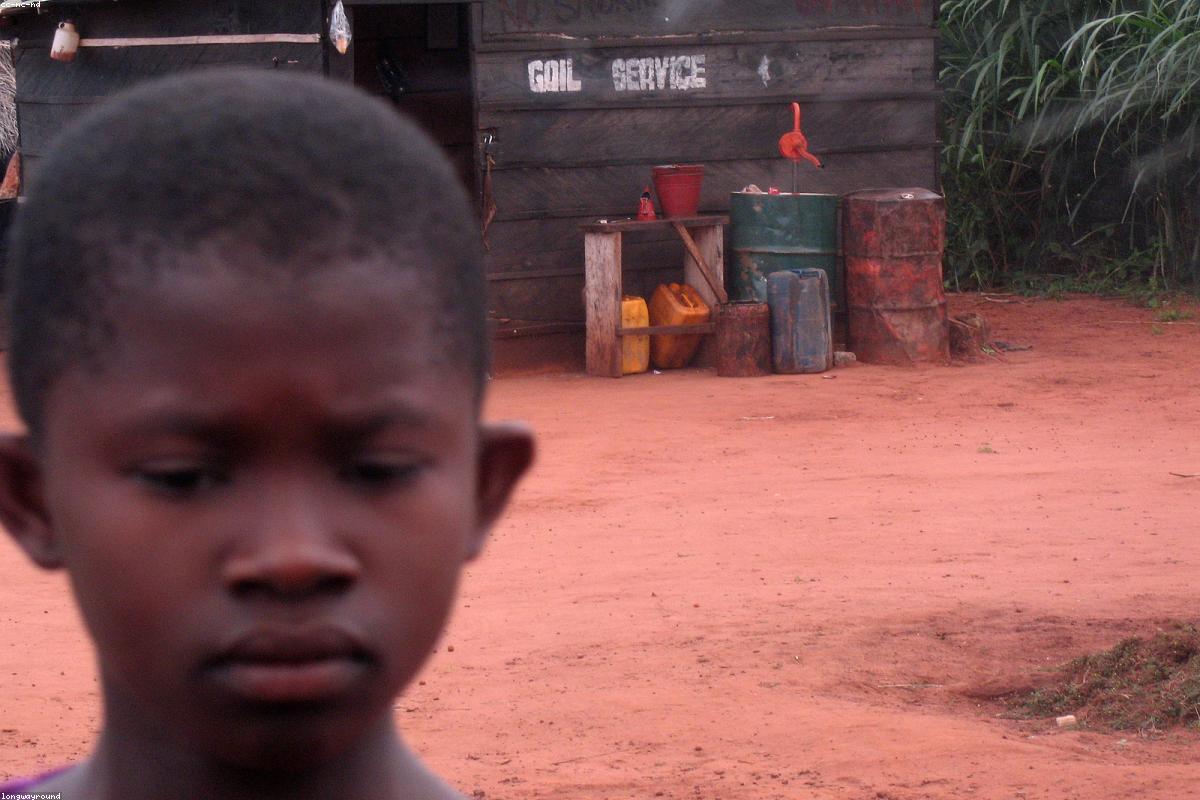
Local economists warn that even the perception of supply risk has begun influencing domestic fuel pricing dynamics. The Kenya shilling has come under renewed pressure against the US dollar, driven partly by market anxiety over rising import costs. Transport operators have flagged the potential for cascading price effects on food and essential goods across the supply chain.
The government has moved to reassure citizens that Kenya is actively diversifying its energy supply sources. Recent supply agreements with non-Gulf oil-producing nations and accelerated investment in renewable energy infrastructure are being positioned as long-term hedges against geopolitical supply vulnerabilities.

Business leaders in Nairobi have renewed calls for accelerated development of Kenya’s domestic oil reserves in Turkana County, which have yet to reach commercial production despite years of exploration. They argue that homegrown oil output could provide a meaningful buffer against international supply shocks and reduce the country’s exposure to Middle East instability.
Regional analysts emphasize that the situation underscores East Africa’s deep interconnection with global geopolitical dynamics, reinforcing the strategic importance of energy diversification and economic resilience-building across the continent.
Source: Kenyans.co.ke, Reuters