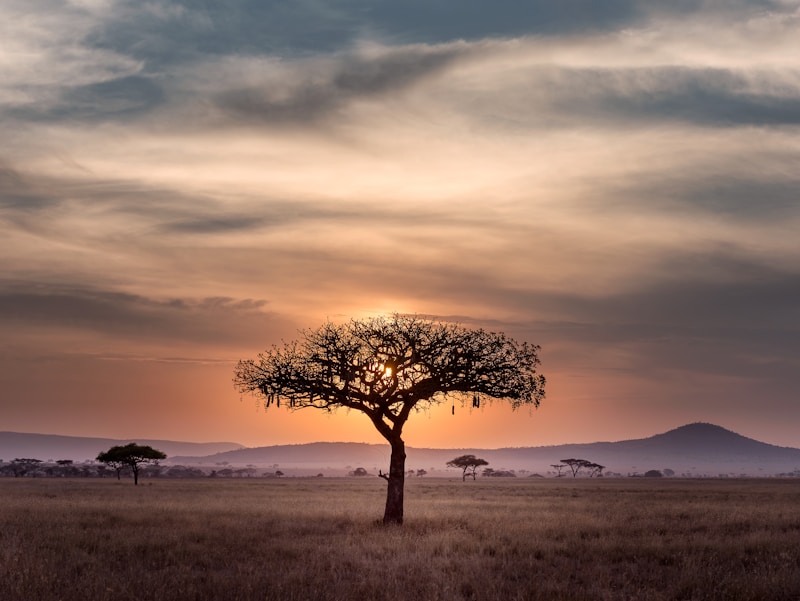


East Africa tourism industry has demonstrated remarkable resilience in early 2026, with visitor numbers approaching pre-pandemic levels across Kenya, Tanzania, and Rwanda. According to regional tourism boards, international arrivals have increased significantly compared to the same period last year, signaling a strong recovery for the sector.
The recovery has been driven by renewed interest in safari experiences, improved air connectivity from major European and North American cities, and streamlined visa processes for international visitors. Kenya Maasai Mara and Tanzania Serengeti continue to lead in visitor numbers, while Rwanda mountain gorilla trekking experiences have seen unprecedented demand from adventure travelers.
Tourism officials credit targeted marketing campaigns in Europe and North America for the uptick in visitor numbers. These campaigns have successfully highlighted East Africa unique wildlife experiences, diverse cultures, and improved infrastructure to international audiences who are increasingly seeking authentic travel experiences.
The sector recovery is crucial for the regional economy, with tourism contributing significantly to GDP and employment across East African Community member states. Hotels, lodges, and tour operators report near-capacity bookings for the upcoming peak season, which traditionally runs from June through October.
Sustainability remains a key focus, with several new eco-lodges opening in conservation areas. These developments aim to balance tourism growth with environmental protection and community benefits, ensuring that local populations share in the economic benefits of tourism while preserving natural habitats.
Industry analysts predict continued growth through 2026, provided regional stability is maintained and infrastructure investments continue. The recovery of East African tourism is seen as a positive indicator for the broader African tourism sector.
Source: East African Tourism Board
Photo: East African Tourism